Grocery Prices Hit a 3-Year High in 2026 as Tariffs Push Coffee Up 18% — Your Defense Plan
If your grocery bill feels like it jumped again this year, you’re not imagining it. Grocery prices in 2026 have climbed to a multi-year high, and the culprits are stacking on top of one another. Tariffs on imported foods, ingredients, and packaging are adding an estimated $2,500 or more to the average household’s annual costs — roughly a 44% increase in tariff impact over the prior year. Beef is up double digits year over year on a cattle herd near its smallest in decades. And coffee has surged about 18%, with a typical supermarket pack jumping from the $6–$7 range to around $11.
The coffee spike is a clean example of how these forces combine. The U.S. put a 50% combined tariff on imports from Brazil, the world’s largest coffee grower, at the same time a severe drought wrecked Brazil’s last harvest. Supply dropped, tariffs piled on, and the price at your store nearly doubled. Multiply that kind of pressure across dozens of tariff-affected categories — anything imported, plus anything wrapped in tariffed aluminum or plastic — and you get a grocery bill that keeps climbing no matter how carefully you shop the sales.
Here’s the thing: you can’t tariff-proof your kitchen, but you can build a shopping process that absorbs these shocks instead of getting blindsided by them.
The Problem Isn’t Just Higher Prices — It’s Unpredictability
A steady, known increase is manageable. You adjust your budget once and move on. What actually breaks household finances in 2026 is volatility — coffee nearly doubling, beef lurching up 12%, a canned staple jumping because aluminum got more expensive, all with no warning. When prices move unpredictably, the shopper who buys on autopilot keeps grabbing the same cart of items at whatever they happen to cost that week and gets ambushed at the register.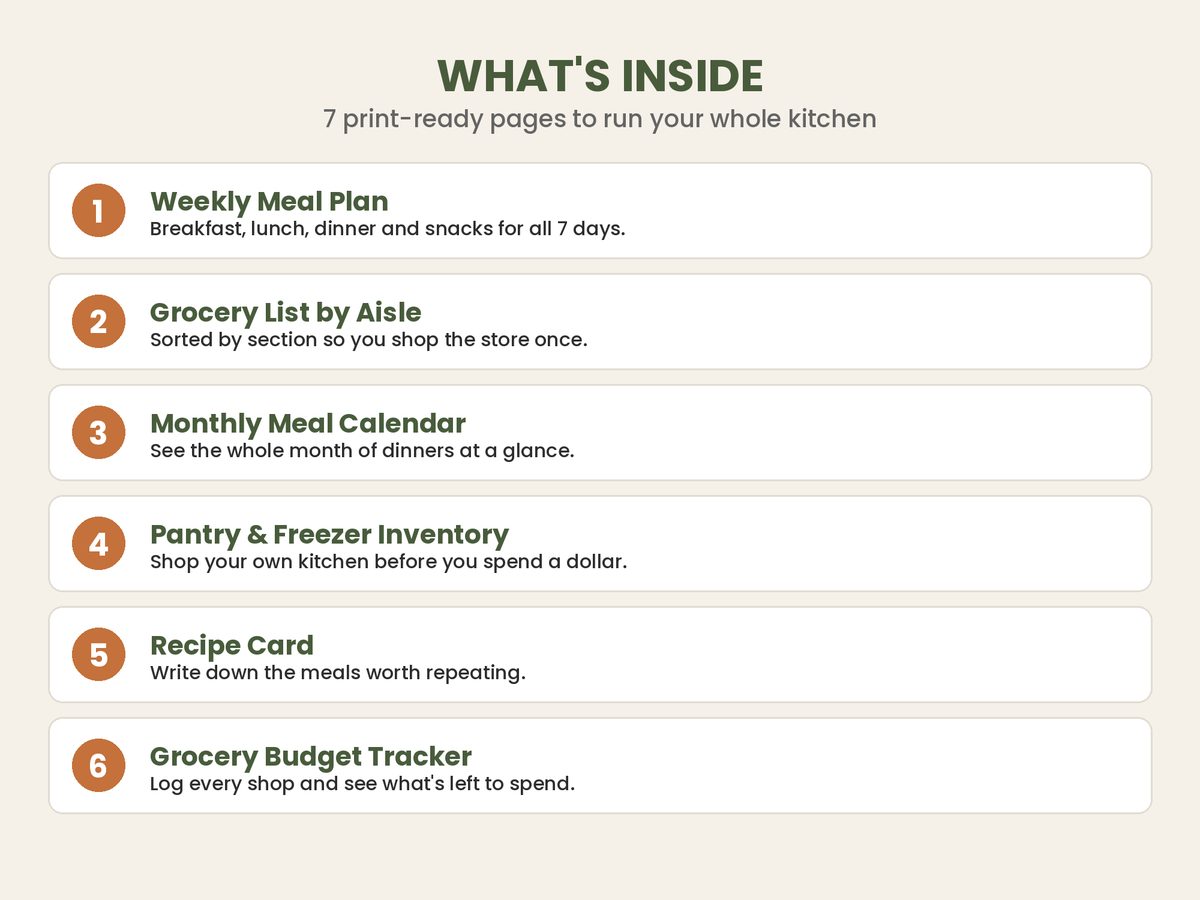
You can’t predict which item spikes next; nobody can. So the defense isn’t prediction — it’s a process that adapts automatically every week.
Three Habits That Beat a Volatile Grocery Market
1. Plan meals before you shop, and price them. When you decide the week’s meals in advance and attach an estimated cost to each, a price spike becomes visible while you can still do something about it. Coffee doubled? You see it, buy less, or switch to the store brand — before it’s a line on your receipt.
2. Build the list from the plan and cap the total. Set what you can spend that week, then shape the list to fit. A meal planner spreadsheet that generates the grocery list from your meal plan and totals it lets you trade down the spiking items — swap beef for chicken, skip the out-of-season produce — while it’s still just numbers on a screen, not items you have to sheepishly put back at checkout.
3. Cook from your pantry and cut waste. With the USDA estimating households waste 30–40% of the food they buy, waste is a bigger money leak than unit prices for most families. Planning meals around what’s already in your pantry — especially items about to expire — recovers hundreds of dollars a year that would otherwise hit the trash, and it insulates you from spikes because those meals require no shopping at all.
Why This Beats Couponing in a Tariff Environment
Coupons shave a few percent off individual items. But tariffs and supply shocks are hitting entire categories at once, and no coupon offsets an 18% coffee jump or a 12% beef increase across a full year. The bigger levers are the ones tariffs can’t touch: how much you over-buy, how much you waste, and whether you substitute when something spikes. Those are exactly the levers a weekly meal plan controls.
A shopper with a plan responds to 2026’s prices by adjusting the plan — fewer beef nights, store-brand coffee, meals built around the cheap and stable categories (eggs, which are actually forecast to fall this year; dried beans; in-season produce). A shopper without one absorbs every increase in full. Over a year of elevated, volatile prices, that difference is easily several hundred dollars.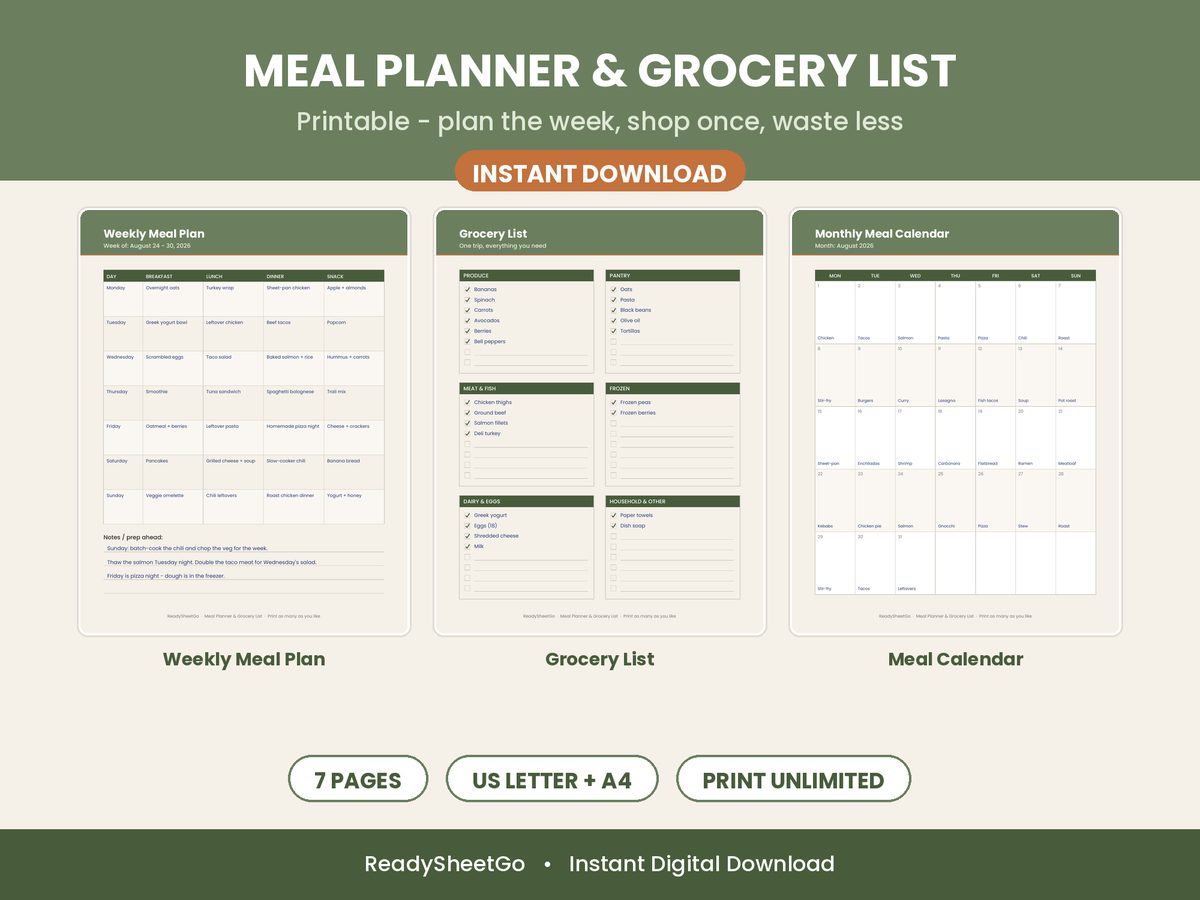
The Bottom Line
2026’s grocery environment — tariffs, a tight cattle market, a battered coffee harvest — isn’t something an individual household can fix. But it is something you can defend against. Plan the week, build the list from the plan, cap the total, and cook down your pantry. Those four habits turn unpredictable prices from a monthly gut-punch into a manageable, adjustable number.
The prices are out of your control. Your process doesn’t have to be.
Featured on ReadySheetGo
The Meal Planner Spreadsheet with Grocery List Template is built for exactly this kind of volatile market. Plan your week, auto-generate an aisle-sorted grocery list, track estimated cost per meal, and see your spending by category against a weekly cap — so a spike in coffee or beef becomes a two-minute swap instead of a register surprise. A pantry inventory tab with expiration alerts helps you cook down what you already own and cut waste. 10 tabs, 1,288 formulas, works with Excel and Google Sheets. One-time purchase — $12.99 instant download (currently $7.79 with code LAUNCH40).
Frequently Asked Questions
Why are grocery prices so high in 2026?
Several forces are stacking: tariffs on imported foods, ingredients, and packaging are adding an estimated $2,500+ per year to the average household's costs; the U.S. cattle herd is near a decades low, keeping beef elevated; and a 50% combined tariff on Brazilian imports plus a drought-hit harvest sent coffee up about 18%. Energy and packaging costs ripple through nearly every category on top of that.
How much are tariffs adding to grocery bills in 2026?
Estimates put the tariff-driven increase at roughly $2,500 or more per year for the average household — about a 44% jump from the prior year's tariff impact. Tariffs hit not just finished imported foods but also ingredients and packaging materials like aluminum and plastic, so the effect shows up across canned goods, beverages, and countless everyday staples, not only obvious imports.
Why is coffee so expensive in 2026?
Coffee rose roughly 18% year over year. A 50% combined tariff on imports from Brazil — the world's largest coffee producer — sharply cut supply flows, and a severe drought during Brazil's last growing season devastated the harvest. A typical supermarket blend has climbed from the $6–$7 range to around $11 per pack.
What's the most effective way to cut a grocery bill in 2026?
Plan meals weekly, generate your grocery list from that plan, and set a spending cap before you shop so volatile prices can't drift your total upward unnoticed. Swapping fast-rising items for cheaper substitutes, cooking from your pantry first, and tracking spend by category typically saves more than couponing — often several hundred dollars a year — because it attacks over-buying and waste, not just unit price.